
Master the fundamentals of effective weekly meal preparation and sustainable nutrition planning
The information on this site is for educational purposes only and does not constitute medical advice. Always consult a qualified healthcare professional before making health decisions.
Weekly Meal Prep Mastery
Transform your nutrition with structured, evidence-based meal preparation techniques. Learn how to plan, prepare, and sustain balanced meals throughout your week with confidence and clarity.
- Balanced macronutrient planning — understand protein, carbohydrates, and fats for your weekly meals
- Time-efficient preparation — batch cook strategically to save hours during the week
- Cost-effective meal choices — maximise nutrition value without overspending on groceries
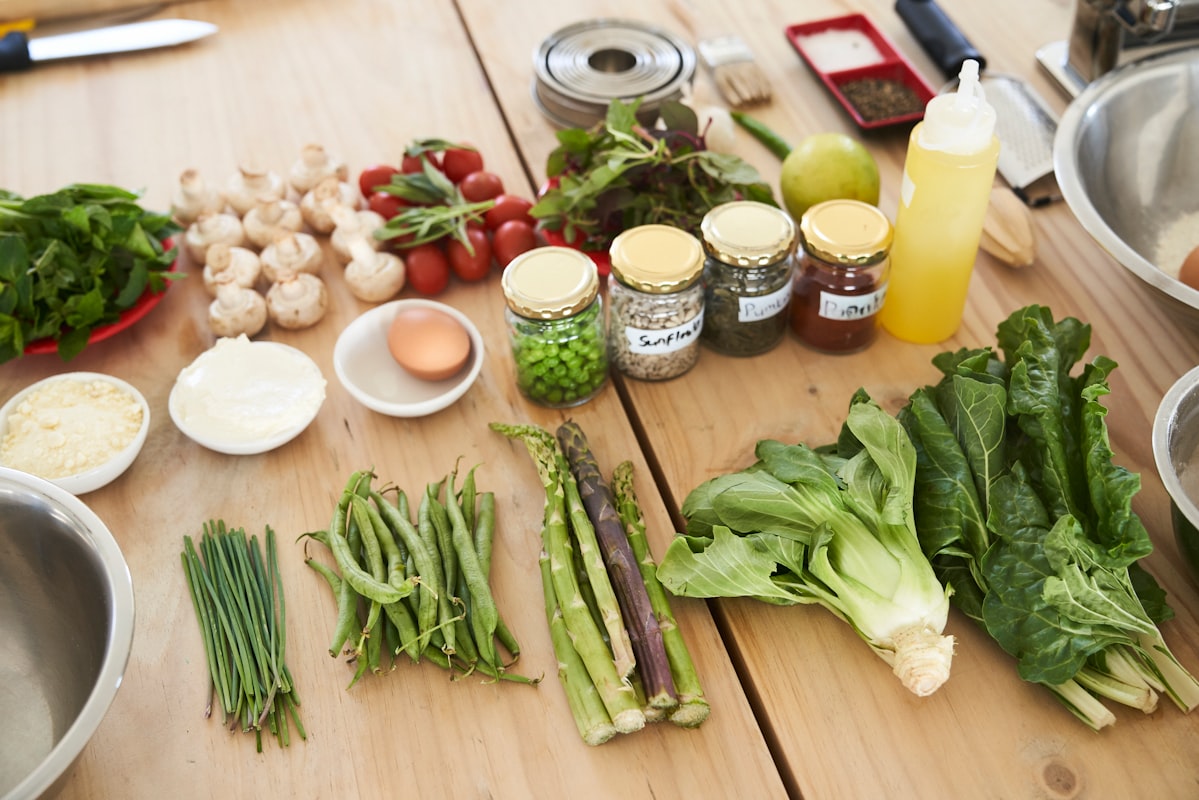
Essential Nutrition Foundations
Calorie Balance
Understand your daily caloric needs and portion sizes to maintain consistent energy levels throughout the week without guesswork.
Protein Priority
Learn optimal protein intake for muscle maintenance and satiety. Include varied sources: poultry, fish, legumes, dairy, and plant-based options.
Fibre & Vegetables
Incorporate diverse vegetables and whole grains for digestive health, vitamins, minerals, and sustained satiety during your working week.
Meal Timing
Structure meals and snacks throughout your day to maintain steady blood sugar, energy, and focus from morning until evening.
5-Step Weekly Meal Prep Method
Plan Your Week
Begin by assessing your schedule, lifestyle, and nutritional goals. Decide how many meals you'll prepare (3 breakfasts, 5 lunches, 3 dinners, plus snacks). Choose 2–3 proteins, 4–5 vegetables, and 2–3 whole grains to simplify shopping and preparation.
- • Review your calendar for busy days
- • List preferred foods and flavours
- • Calculate macronutrient targets
Shop Strategically
Purchase whole, minimally processed foods. Buy proteins in bulk (chicken breasts, fish fillets, lentils), seasonal vegetables, and whole grains. Check your pantry first to avoid duplicate purchases and minimise food waste.
- • Compare unit prices for savings
- • Choose seasonal produce
- • Check expiry dates carefully
Prep Your Ingredients
Wash, chop, and portion vegetables. Marinate proteins if desired. Cook grains in bulk. Clean and organise your workspace. This mise en place approach keeps you organised and reduces active cooking time when you batch prepare main components.
- • Use sharp knives for efficiency
- • Prep vegetables into uniform sizes
- • Store prepped items in airtight containers
Cook & Combine
Roast vegetables on sheet pans, grill or pan-sear proteins, and boil or steam grains simultaneously using your oven and stovetop. Once cooked, portion components into containers according to your meal plan. Keep sauces and dressings separate to maintain freshness.
- • Use multiple cooking methods at once
- • Season components individually
- • Cool before storing
Store & Adapt
Label containers with contents and prep dates. Store in the fridge (3–4 days) or freezer (up to 3 months). Throughout the week, adapt meals by swapping components or adding fresh elements like salad greens or fresh fruit to maintain variety and interest.
- • Use glass containers for safety
- • Keep freezer inventory updated
- • Rotate older meals first
Evaluate & Improve
At week's end, reflect on what worked and what didn't. Did the portions satisfy you? Were flavours interesting? Did meals stay fresh? Use this feedback to refine next week's plan, experimenting with new recipes, seasonings, or ingredient combinations.
- • Track energy and satisfaction
- • Note time spent cooking
- • Adjust quantities as needed
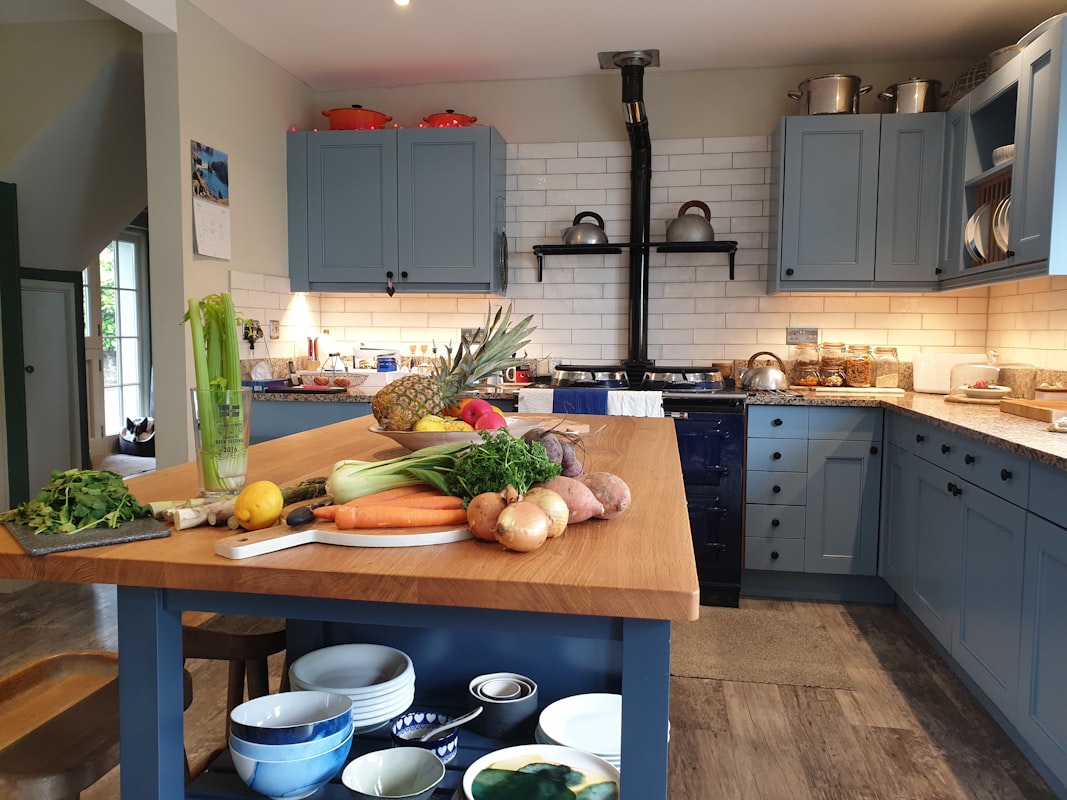
Understanding Balanced Macronutrients
Macronutrients—protein, carbohydrates, and fats—are the three main nutrients your body requires in large quantities. Balancing them correctly supports sustained energy, muscle maintenance, hormone production, and overall wellbeing.
Protein (25–35% of calories)
Essential for muscle repair, enzyme production, and immune function. Include lean meats, fish, eggs, dairy, beans, lentils, and tofu. Aim for 1.2–2.0 grams per kilogram of body weight daily.
Carbohydrates (45–65% of calories)
Your primary energy source. Choose whole grains (brown rice, oats, quinoa), starchy vegetables (sweet potatoes, lentils), and fibre-rich sources. They support brain function and physical activity.
Fats (20–35% of calories)
Vital for hormone regulation, nutrient absorption, and inflammation control. Prioritise unsaturated fats from olive oil, avocados, nuts, seeds, and fatty fish like salmon. Limit saturated fats from processed foods.
Sample Daily Macro Target
For a 2000-calorie day: 150g protein (600 cal) | 225g carbs (900 cal) | 67g fat (600 cal). Adjust based on your individual goals and activity level.
Sample Weekly Meal Templates
Mediterranean-Inspired
Embrace whole grains, lean fish, fresh vegetables, and olive oil-based preparations inspired by Mediterranean cuisine.
- Proteins: Grilled salmon, chicken breast, chickpeas
- Grains: Farro, brown rice, wholemeal pasta
- Vegetables: Courgette, bell peppers, tomatoes, spinach
- Healthy fats: Olive oil, olives, almonds
Plant-Forward Focus
Emphasise legumes, nuts, seeds, and diverse vegetables while including some high-quality animal proteins for balance.
- Proteins: Lentils, tofu, black beans, eggs
- Grains: Quinoa, millet, oat groats, wild rice
- Vegetables: Broccoli, kale, sweet potato, mushrooms
- Healthy fats: Sesame oil, tahini, sunflower seeds
Active Lifestyle Plan
Higher carbohydrate intake to fuel exercise and recovery, with adequate protein and nutrient-dense whole foods.
- Proteins: Turkey, lean beef, Greek yoghurt, cottage cheese
- Grains: Sweet potato, oatmeal, wholemeal bread, barley
- Vegetables: Leafy greens, beetroot, carrots, asparagus
- Healthy fats: Avocado, coconut oil, peanut butter
Budget-Conscious
Economical, nutrient-dense choices that maximise nutrition per pound spent without sacrificing quality or flavour.
- Proteins: Eggs, canned fish, dried beans, minced chicken
- Grains: Oats, rice, lentils, pasta
- Vegetables: Frozen mixed veg, cabbage, onions, canned tomatoes
- Healthy fats: Oil, peanuts, dried fruit
Seafood Speciality
Feature omega-3-rich fish and seafood paired with colourful vegetables and complex carbohydrates for heart and brain health.
- Proteins: Mackerel, sardines, prawns, white fish, mussels
- Grains: Brown rice, wholemeal couscous, buckwheat, rye
- Vegetables: Seaweed, sea vegetables, green beans, peas
- Healthy fats: Olive oil, walnuts, flaxseeds
Comfort & Convenience
Familiar, satisfying meals that require minimal technique and cooking skills, perfect for busy schedules.
- Proteins: Roasted chicken thighs, ground turkey, tinned beans
- Grains: Potatoes, pasta, cous, noodles
- Vegetables: Carrots, peas, sweetcorn, broccoli (fresh or frozen)
- Healthy fats: Butter, cheese, nuts, olive oil
Common Meal Prep Questions
Most cooked meals remain safe and fresh in the refrigerator for 3–4 days when stored in airtight containers at 4°C (40°F) or below. The exact timeframe depends on the ingredients: fish and shellfish have shorter shelf lives than poultry or legumes.
To extend freshness, store components separately (proteins, grains, vegetables) rather than mixed meals. Keep sauces and dressings in separate containers and add them just before eating. Freeze portions you won't use within 4 days—they'll last 2–3 months when properly sealed.
Success Stories from Our Community
"Dietnutritionquest completely transformed how I approach food. The meal plans are practical, the nutrition guidance is science-backed, and I finally lost significant weight without feeling deprived. This isn't a diet—it's a lifestyle."
Sarah Anderson
Lost significant weight in 6 months
"As a busy professional, I needed something I could actually stick to. The meal prep guides save me 10+ hours weekly, and my energy levels have never been better. Highly recommend!"
Marcus Johnson
Saved 50+ hours on meal prep
"I struggled with emotional eating for years. The mindfulness sections and behavioral strategies actually helped me break that cycle. Finally understanding the 'why' behind my habits changed everything."
Emma Martinez
Overcame emotional eating
"My doctor was amazed at my lab results. Blood sugar normalized, cholesterol improved, and I feel 20 years younger. The nutrition science here is legitimate and results show."
David Kim
Improved health markers significantly